Dr Mehul Lamba – Gastroenterologist & Endoscopy Specialist in Christchurch
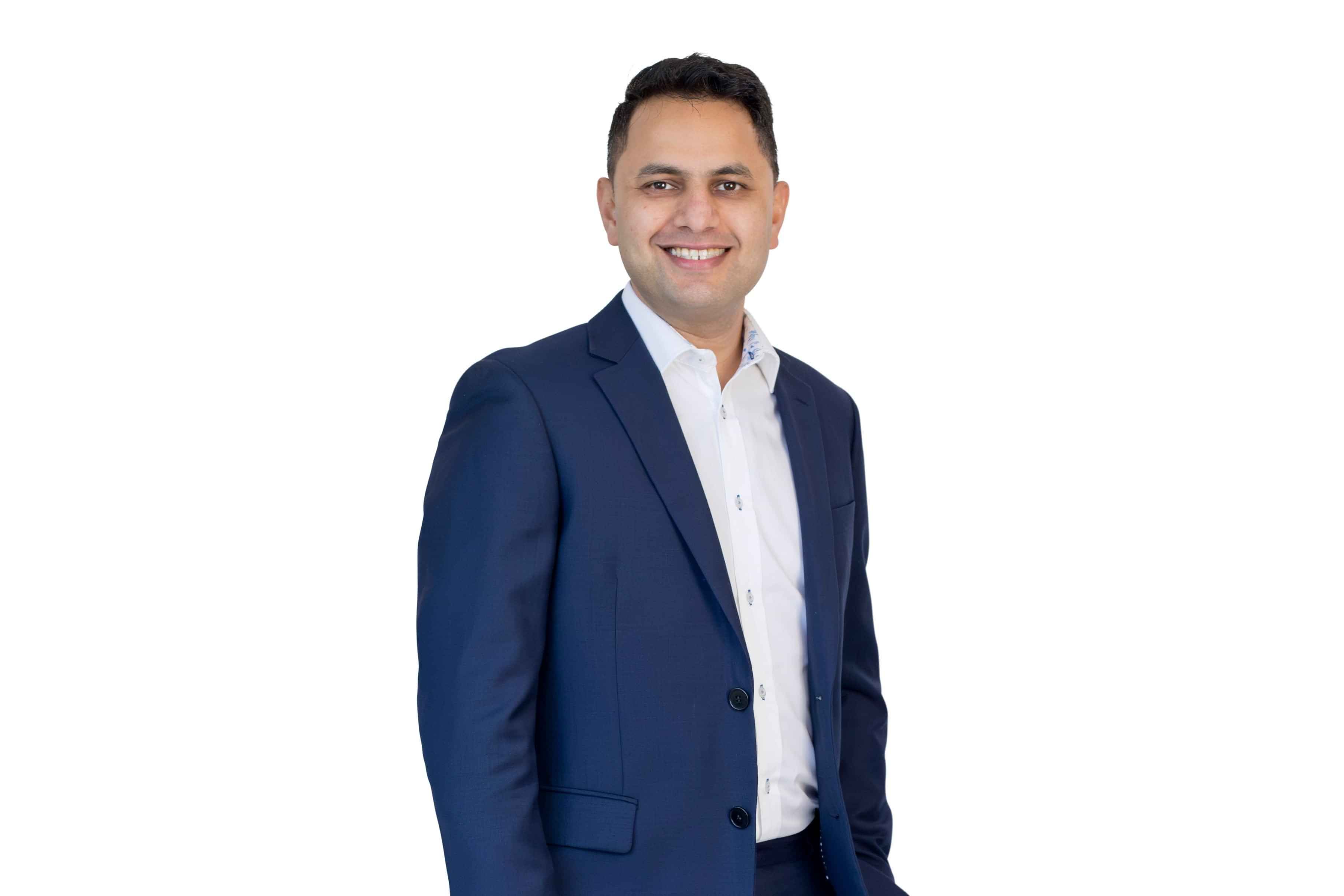
Dr Mehul Lamba
MD (Hons) MMedSc FRACP
Gastroenterologist & Interventional Endoscopist
Clinical Senior Lecturer, University of Otago
I am a New Zealand–trained Gastroenterologist and Interventional Endoscopist based in Christchurch.
After completing specialist training in New Zealand, I spent three years in high-volume international fellowships: two years at Royal Brisbane and Women’s Hospital focusing on advanced endoscopy, and one year at St. Michael’s Hospital, Toronto.
I am an accredited bowel cancer screening endoscopist and offer gastroscopy, colonoscopy, ERCP, EUS, and endoscopic treatment of pre-cancerous lesions.
About Dr Lamba
Dr Lamba assesses and manages a wide range of gastrointestinal conditions including reflux, abdominal pain, bloating, bowel changes, and iron deficiency.
International Training
After completing my core specialist training in New Zealand, I dedicated three years to high-volume international fellowships to bring world-class techniques back to the Canterbury region:
Interventional Gastroenterology (2 years): Advanced luminal and pancreatobiliary training at the Royal Brisbane and Women’s Hospital, Australia.
Therapeutic Endoscopy (1 year): Further specialist training at the world-renowned St. Michael’s Hospital in Toronto, Canada.
Clinical Focus
Accredited Bowel Cancer screening Endoscopist
High quality gastroscopy and colonoscopy
Advanced interventional endoscopy including ERCP & EUS
Endoscopic management of pre-cancerous lesions
Areas of Clinical Interest
High quality Gastroscopy & Colonoscopy
Bowel cancer screening
Detection and endoscopic treatment of polyps and early cancer
Gastro Oesophageal Reflux Disease (GORD, heartburn)
Inflammatory Bowel Disease - Crohn`s Disease and Ulcerative colitis
Coeliac Disease
Irritable Bowel Syndrome
Liver disease
Motility disorders
Professional Affiliations
Consultant Gastroenterologist & Interventional Endoscopist Christchurch Public hospital
Clinical Senior Lecturer, University of Otago
Executive Member, New Zealand Society of Gastroenterology
Member, Gastroenterological Society of Australia
Member, American Society for Gastrointestinal Endoscopy
Publications & Research
Timing of Elective Endoscopic Procedures in Patients With Recent SARS-CoV-2 Infection
Post-colonoscopy cancer rate at a tertiary referral hospital in Australia: A data linkage analysis.
Trends in Incidence of Autoimmune Liver Diseases and Increasing Incidence of Autoimmune Hepatitis.
Associations Between Mutations in MSH6 and PMS2 and Risk of Surveillance-detected Colorectal Cancer
Risk of interval colorectal cancer in patients with Lynch Syndrome undergoing surveillance in New Zealand – results from the New Zealand Familial Gastrointestinal Cancer Service.
Editorial: does disease extension lead to disease progression in proctitis?
HCC Surveillance in Patients with Advanced Fibrosis – Christchurch Experience
Contemporary Natural History of Patients with Severe and Moderate to Severe Aortic Regurgitation
Diagnosis of pulmonary embolism does not increase long-term risk of adverse clinical events.
Long-term outcomes in patients with pulmonary embolism: results from a longitudinal cohort study.





GET IN TOUCH
P. (03) 968 3140
E. reception@canterburyendoscopy.co.nz
CLINIC
Level 2, 21 Caledonian Rd, St Albans, Christchurch 8014

